


Picture it: 2:07 a.m. on a Saturday
Your phone lights up. A caregiver can’t make her 6 a.m. shift, and the client she was covering can’t be left without support.
You’re the owner. In this moment, you are also the scheduler, the on-call line, and the person who has to solve it before sunrise.
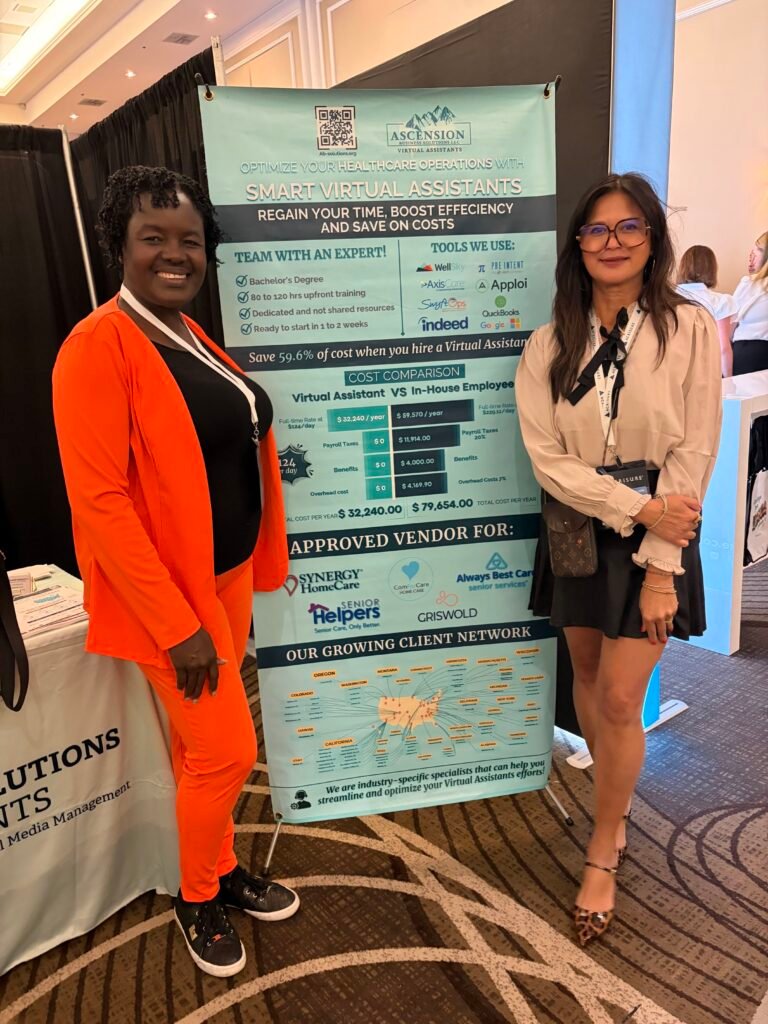
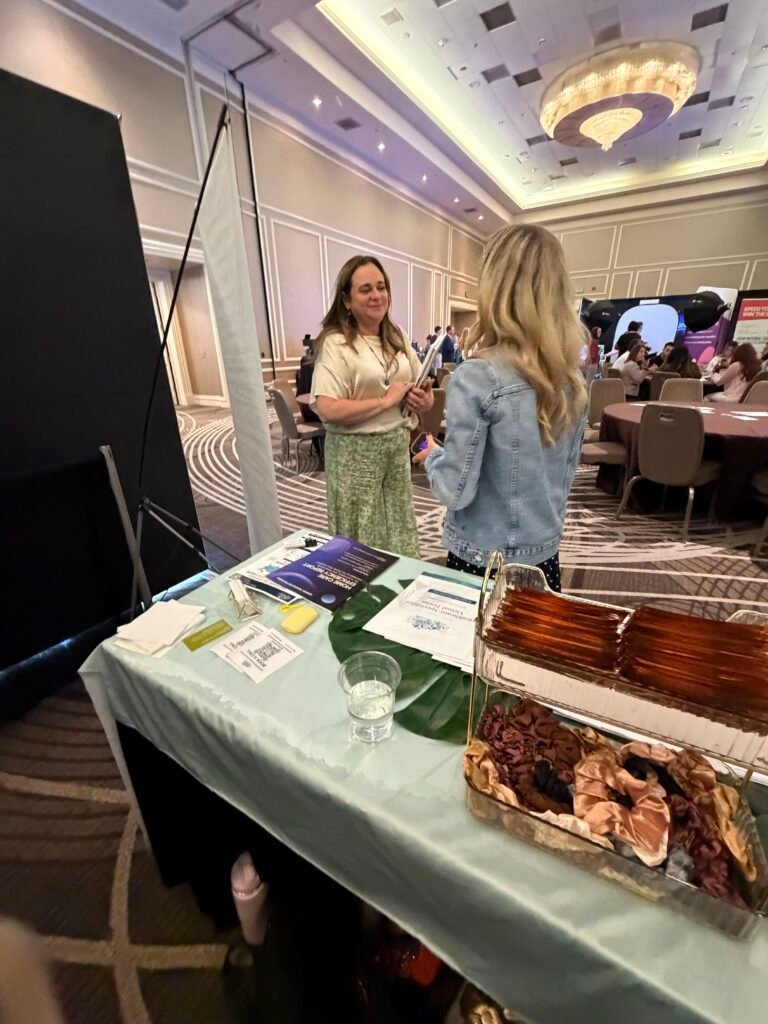
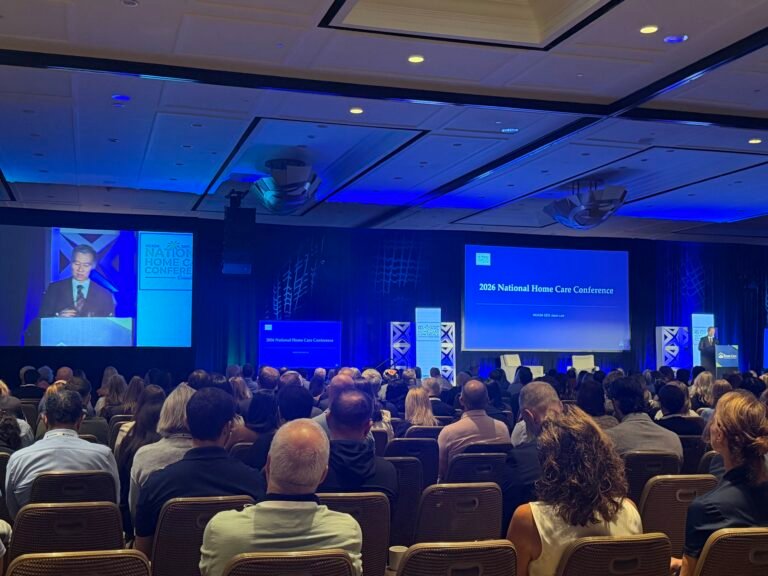
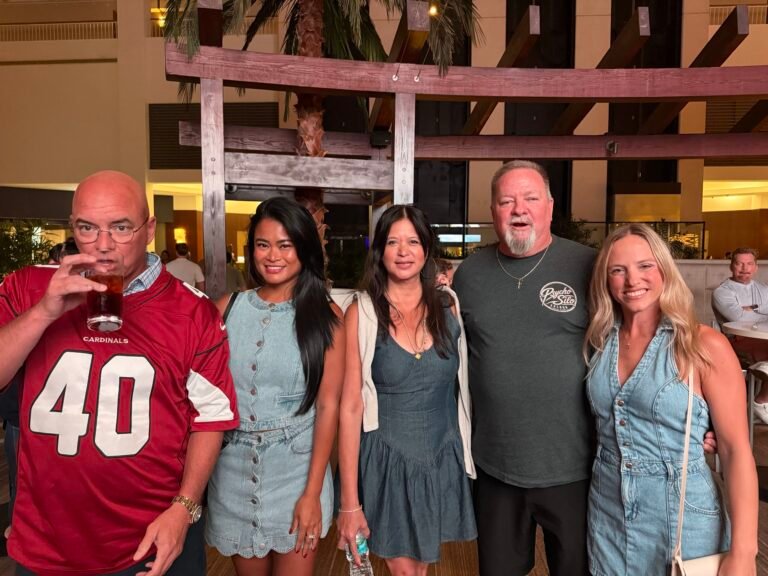
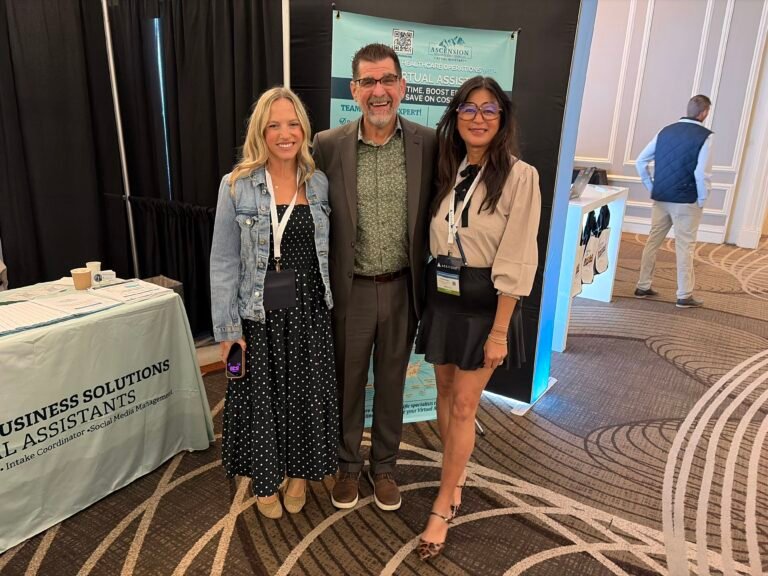
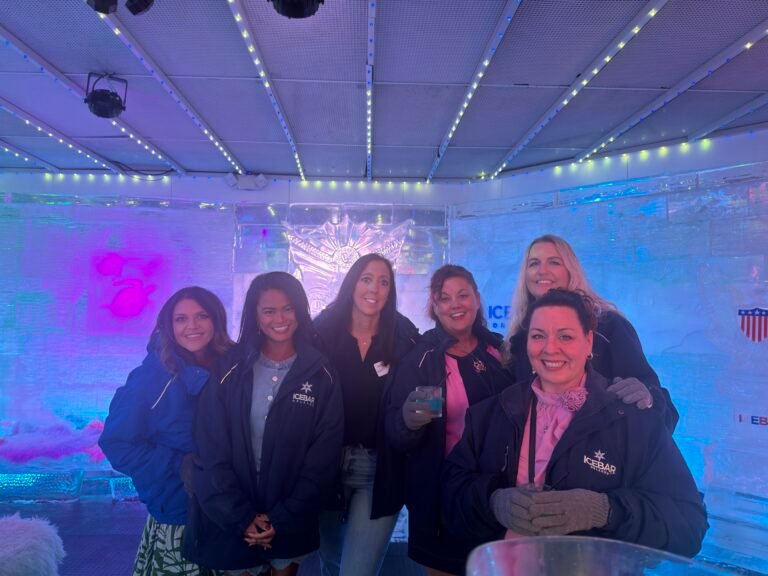
If that scene tightened your chest a little, you were in good company in Orlando. At the HCAOA National Home Care Conference this fall, one question kept finding us, at our booth and at our private evening event: who answers when the office is closed?

Here is what we heard, what it told us, and why we think the answer has less to do with working harder and more to do with who is sitting in the seat.
The question that followed us all week
At our booth, an owner with more than one location asked us something that sounded simple: could one on-call team cover every office?
We heard versions of that question from the first morning to the last. Some people came straight to us because they needed on-call coverage and didn’t know where to start. Others were still weighing whether they could hand off any of it at all.
We can’t speak for how that owner runs their offices. But the question points at something many multi-location owners know well: when each office solves the after-hours problem its own way, the one thing they all have in common is you.
“Wait, are you an AI company?”
Then there was the other thing we heard, again and again. A few people assumed Ascension Business Solutions sells AI tools.
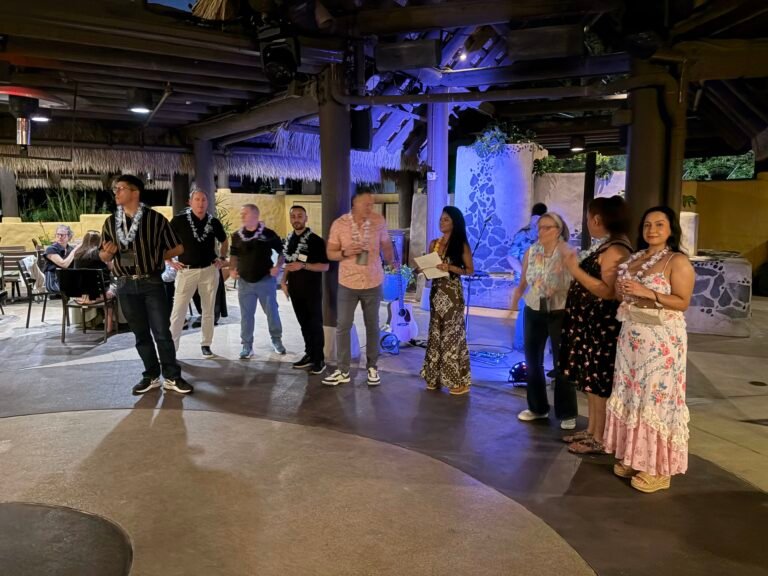
With AI in so many conversations right now, we understand the assumption. So at our Cove After Hours event, our founder, Regina Asuncion, said it plainly to the room:
“We provide highly specialized virtual assistants to home care owners. What does that mean? We are not an AI company, guys.”
Here is the direct answer. ABS is not an AI company. ABS provides specialized remote professionals who support home care and home health agencies, and we think of ourselves as an operational partner, not just a source of virtual assistants.
So when an ABS client’s phone rings on a Saturday night, a person answers. A trained remote professional who follows that agency’s protocols and escalates what needs escalating.
It isn’t an effort problem. It’s a structure problem.
Here is what the Orlando conversations kept circling back to. When there is no structured after-hours coverage, the calls find the owner. Not because the owner wants them. Because someone has to answer.
Then the same thing happens with the other jobs that never quite end. Open shifts that need filling. Applicants waiting for a reply. Referral inquiries that go cold over a weekend.
None of that is a sign you aren’t working hard enough. Most home care owners we meet are already working very hard.
It’s a structure problem, and structure can be fixed. The fix starts with deciding which jobs should not live in your head or on your phone, then putting the right person in each seat.
A person in the seat isn’t enough. It has to be the right person.
Anyone can fill a seat. The harder part is filling it with someone whose natural strengths match what the role actually demands. A scheduler who thrives on structure and a recruiter who thrives on conversation are not interchangeable, even when both look great on paper.
That is why every ABS professional completes a Culture Index assessment before placement. Culture Index is a behavioral assessment that shows how a person naturally thinks, communicates, and works under pressure. We define what your role needs, such as its pace, its structure, and how independently someone has to work, and then weigh the candidate’s natural style against it.
Two things worth saying plainly. It isn’t a personality test, and there is no pass or fail. It is one input alongside verified experience, skills, and interviews. And it doesn’t make a placement risk free. It makes it intentional.
See how ABS uses Culture Index
“Will older clients understand a remote team member?”
One home care leader told us their organization had already interviewed other virtual assistant firms and walked away unsure. Their clients are older adults. Would those clients be able to understand the person on the other end of the phone?
It’s a fair question, and it deserves a direct answer.
Communication is a hiring standard, not a hope. Every ABS professional is held to mandated English and communication standards, verified through assessments.
Fit matters most in people-facing roles. On-call and intake work are conversations first. Culture Index helps us match professionals whose natural style suits that kind of work.
You can judge for yourself. Ask us to walk you through the profiles of professionals available for your role, and bring this exact question to your strategy call. We’ll explain how we would match someone to your clients.
What it looks like when someone else holds the phone
We met Magda Rodriguez, CEO of Rainbow Home Care in California, in Orlando. Her agency provides 24-hour home care, so even a staff meeting can’t mean a pause in coverage. That is where her virtual assistants come in.
“They’re attentive. They’re there all the time on weekends and after business hours. So I love having them and I love Ascension as well.”
Her story is about after-hours coverage, but the same idea applies to other jobs that steal your evenings. Here is what those seats look like at an agency:
| Role | What it takes off your plate |
|---|---|
| On-call / after-hours | After-hours calls, caregiver call-outs, and urgent scheduling questions answered, escalated by your protocol, documented, and handed to your daytime team. |
| Scheduling | Open shifts, call-outs, and last-minute coverage, with caregivers kept informed. |
| Recruiting | Applicants kept moving through your pipeline, from first contact to interview. |
| Intake | Referrals and inquiries organized and followed up on, so families aren’t left waiting. |
For home health agencies, this support is administrative. Clinical decisions stay with your licensed team. Explore all ABS services
The people (and one sloth) who made Orlando
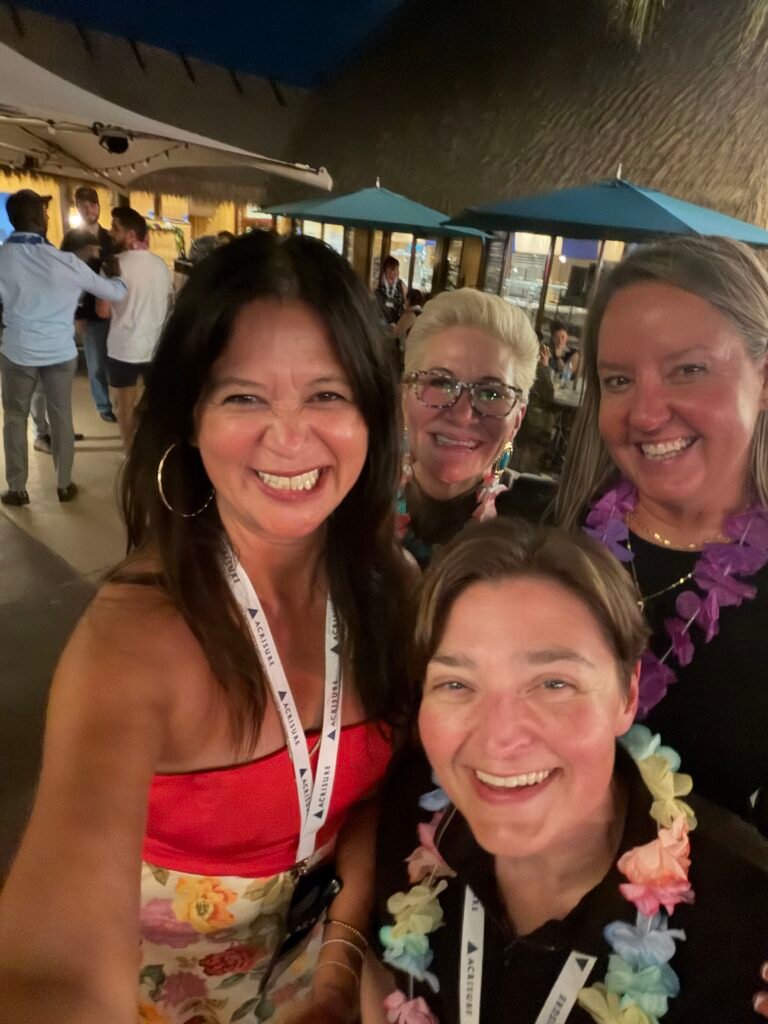
Orlando was more than one big question. It was a room full of people who make this industry what it is.
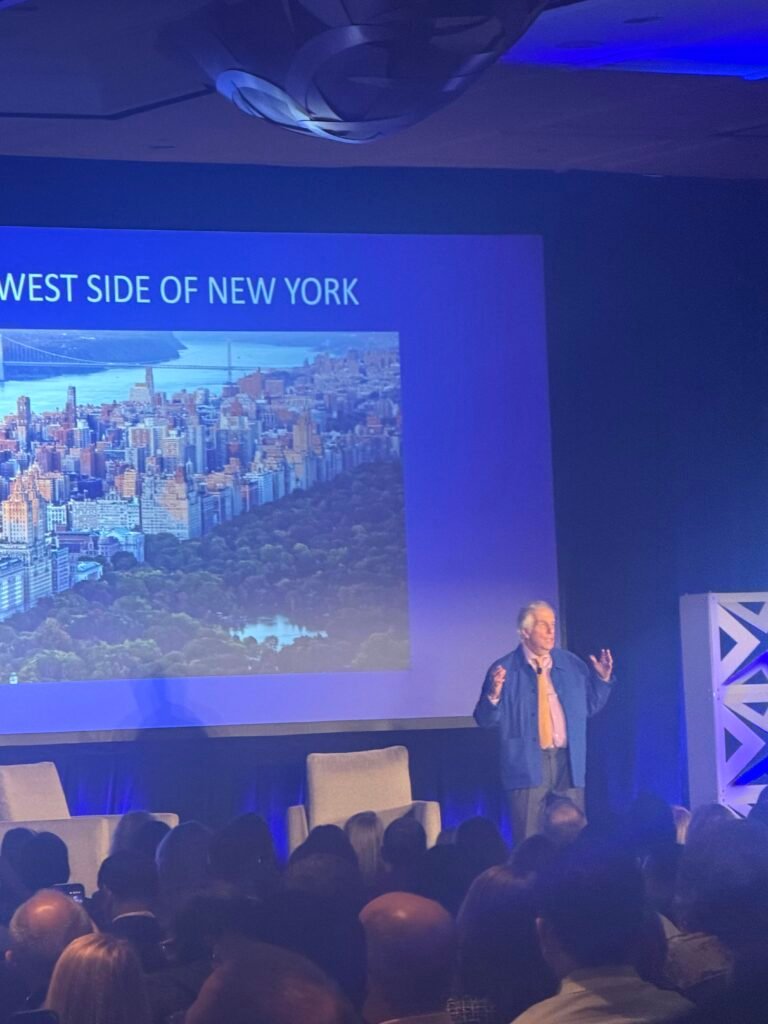
The week opened with the welcome party hosted by WellSky. AxisCare CEO and co-founder Todd Allen, back as title sponsor, then introduced keynote speaker Henry Winkler as “arguably the most well-known speaker that we’ve had here.”
We spent time with Jen Waldron, co-founder of Augusta and our power partner, and with friends from Right at Home, Caring Senior Service, and HOMECAREceo. Paki and Jen from our team also caught a few minutes at our booth with Greg Bean, AxisCare’s VP of Revenue Cycle Management. The GOAT, as far as we’re concerned.
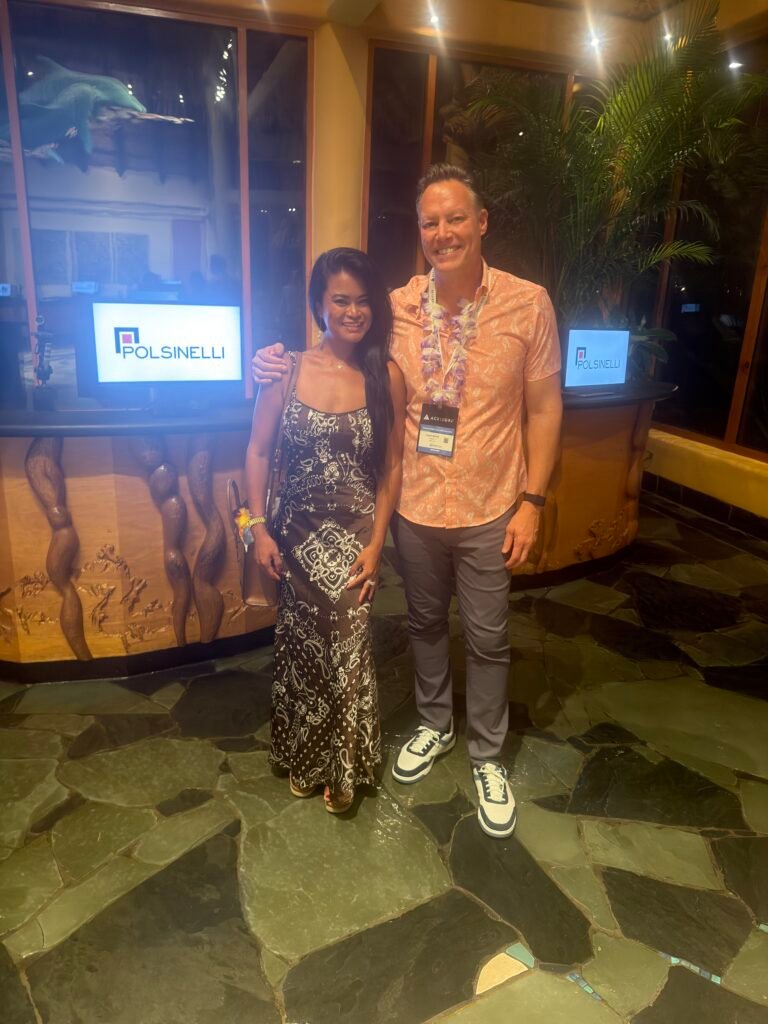
Then came Cove After Hours, the private evening we hosted with Polsinelli. Angelo Spinola of Polsinelli offered the best vendor test we heard all week: if a company can rent out SeaWorld and bring in a sloth for the night, it’s probably sticking around. He also reminded the room that vendors would rather be called partners. We couldn’t agree more.
Watch the Cove After Hours recap
Which role would you hand off first?
If you take one thing from Orlando, make it this: you were never meant to be the backup plan for every job in your agency.
Start with the one that costs you the most sleep. The after-hours calls. The open shifts. The applicants waiting for a reply. The referrals waiting for a callback. Tell us about the role and the shift, and we’ll tell you honestly whether we’re the right fit.
Met us at HCAOA? Mention it when you book, and we’ll pick up right where we left off.