
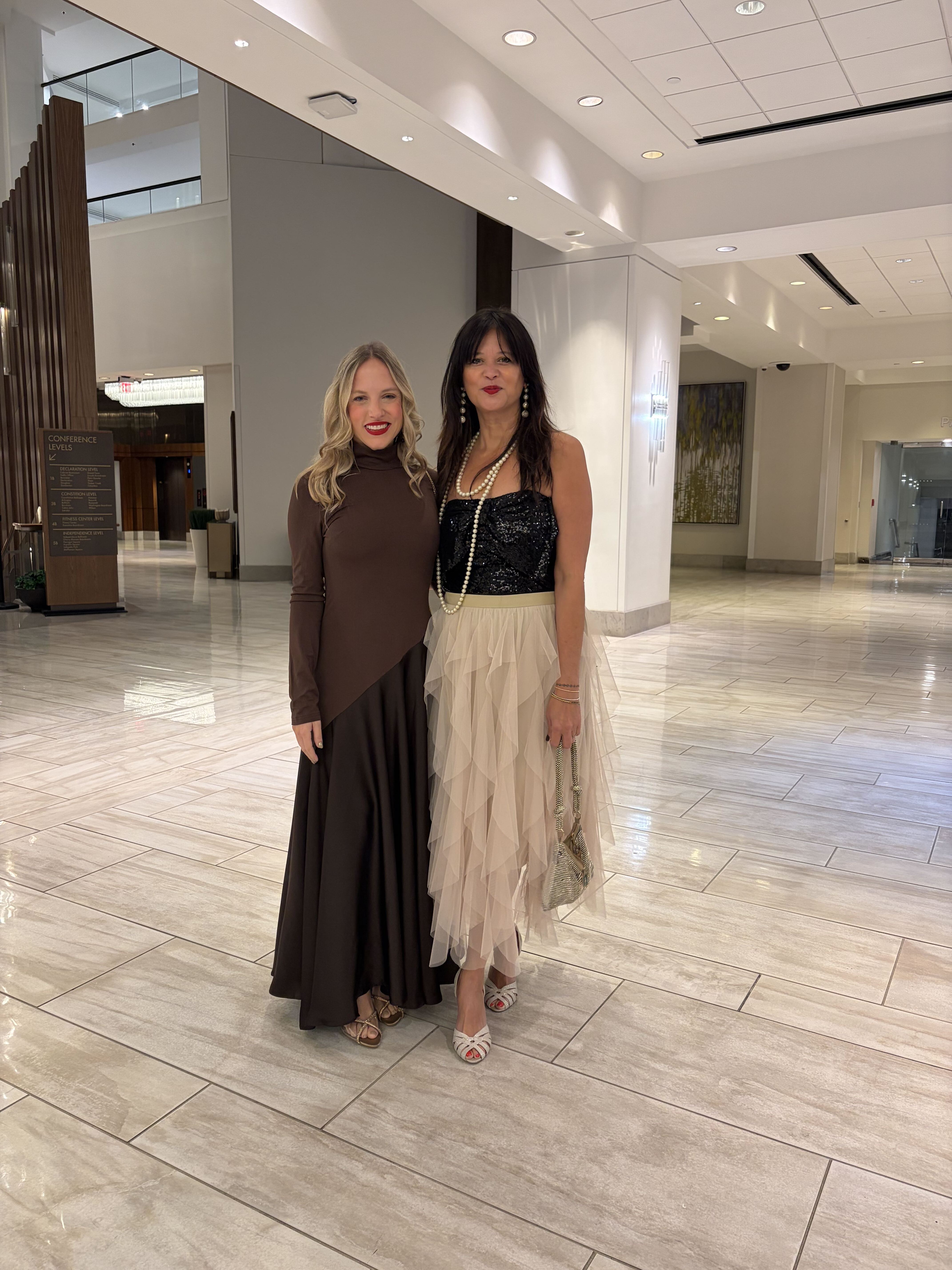
The exhibit hall in Washington, DC, was still being built around them when Paki Fernandez and Jennifer Meredith started setting up the ABS booth. They had felt the energy the moment they reached registration, and it carried them through the National Alliance for Care at Home 2026 Annual Meeting & Exposition. But what they brought home was not a stack of leads. It was a notebook holding one sentence, said five different ways by owners who had never met: I am still doing work at nine at night that somebody else should be doing. If that sentence sounds like your Tuesday night, this post is for you.
What Home Care Owners Actually Told Us
According to the Alliance’s November 2, 2026 press release, over 1,400 attendees and exhibitors joined this year’s meeting. The owners who stopped at our booth ran very different agencies. Their evenings looked almost identical.

Nobody described a broken business. They described a business that only moves when they personally push it. The work was not hard to define. It simply had no owner except the owner. That is the real ceiling on home care capacity growth: not demand, and not ambition, but how many hours one tired leader can stretch.
The Three Bottlenecks That Quietly Cap Capacity
Across every conversation, the same three kept coming up.
1. Recruiting that only moves when someone remembers it
We heard the same pattern again and again: the recruiting pipeline stalls whenever a busy senior person gets pulled into something urgent. Applicants wait. Follow-ups slip. Then staffing gets tight, and the whole office sprints.
That matters because workforce is still the industry’s top worry. In the 2026 home care industry survey by Leading Home Care, sponsored by AxisCare, caregiver shortage remained the top pain point standing in the way of growth, named by 53% of leaders, down from 59% the year before. Recruiting works best as a repeatable daily system, not an agency-wide sprint that starts only when staffing gets urgent.
2. Intake and weekends that land on the wrong person
Discharges stack up. Coverage needs verifying. Referrals do not wait for Monday. Owners told us this work keeps landing on the person who was supposed to be off. When intake and after-hours coverage depend on whoever happens to pick up the phone, every weekend becomes a gamble with your team’s rest.
3. An inbox and calendar that eat the company’s best hours
Several owners described an inbox and calendar that consume the hours meant for running the company. Executive overload is quiet. It does not show up as a missed shift. It shows up as the strategic project that has been “next week” for months.
Then there was the owner who recently sold residential assisted living homes and is moving into home care, and does not yet know where the bottleneck will appear. Most likely it will be one of these three. And it is far easier to build support before a bottleneck shows up than after.
Why an Operations Partner Is Different from a Generic Virtual Assistant
A general virtual assistant takes tasks off a list. That helps, until the list changes, the context is missing, and you are back to explaining everything at 9 p.m.
ABS works differently. We place specialized remote professionals inside home care and home health operations, in roles like recruiting, scheduling, after-hours and on-call coverage, intake, and executive support. Each person is trained into your agency’s workflow and managed as part of your operation. You do not get a name from a staffing list.
What that looks like in practice:
- A role, not a to-do list. Support is built around a function, such as recruiting follow-up or weekend intake, so the work keeps moving without you pushing it.
- Your workflow, your standards. The professional learns how your agency already operates instead of inventing a new process for you to manage.
- Clear lines. ABS supports administrative workflows only. Clinical eligibility, care decisions and medical judgment stay with your appropriately licensed agency personnel.
One Table, Shared Load
During the conference, ABS hosted partners and fellow industry leaders for a kamayan dinner at Purple Patch with Chef Patrice Cleary. Kamayan means eating with your hands. The boodle fight tradition behind it began at the Philippine Military Academy, where everyone shared one table regardless of rank, as a sign of camaraderie and equality.
The food ran down the middle of the table, and everyone reached in together. The meal is not meant to be finished, either. Whatever is left goes home with you. (Karaoke came later. We will leave it there.)


It is a fitting picture of what support should feel like: a partner at the same table, sharing the same work, so no one person carries the whole meal. Not a vendor across a desk. The rest of the week said the same thing in different ways, from the fundraising and bidding at the Foundation Gala to the closing-day brunch and poster sessions in the exhibit hall. This industry runs on people who show up for each other.
Watch the Conference Highlights
Want a feel for the energy in the hall? Our short highlights video shows the booth, the conversations and the people who made the week.
Opens on LinkedIn in a new tab.
Frequently Asked Questions
How can a home care agency grow capacity without burning out its leaders?
Move recurring operational work off the owner’s desk and into defined roles. That means recruiting follow-up, intake, after-hours coverage and executive administration. Each role should be filled by a trained person who follows the agency’s own workflow, so growth no longer depends on one leader’s evenings.
What is the difference between an operations partner and a general virtual assistant?
A general virtual assistant completes tasks from a list. An operations partner like ABS places a specialized remote professional who is trained into the agency’s workflow and managed as part of its operation, so a whole function keeps moving.
Which roles can ABS support for home care and home health agencies?
ABS places specialized remote professionals in recruiting, scheduling, after-hours and on-call coverage, intake, and executive support roles inside home care and home health operations.
Does ABS make clinical or care decisions?
No. ABS supports administrative workflows only. Clinical eligibility, care decisions and medical judgment remain with the agency’s appropriately licensed personnel.
Ready to Put the 9 p.m. Work Somewhere Else?
You started your agency to care for people, not to answer email at night. If one of these bottlenecks sounds familiar, let’s talk about where support would make the biggest difference first. No pressure and no promises we can’t keep, just an honest conversation about your workflow.
Nobody should run an agency alone. We’d be glad to pull up a chair.
With love, support and excellence,
Paki Fernandez and Jennifer Meredith
Business Development, Ascension Business Solutions LLC
We support those who support others.