
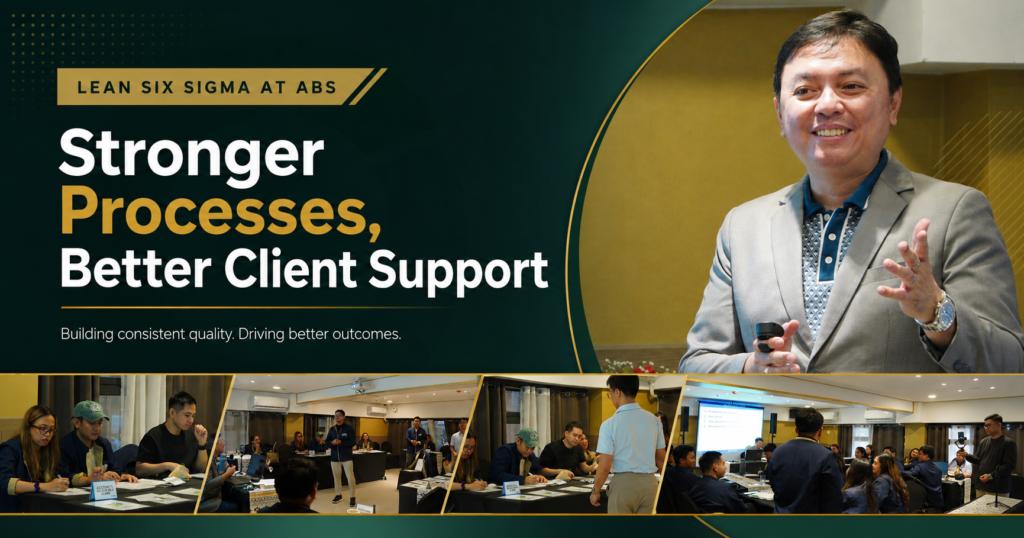
From Leadership Learning to Better Client Outcomes
A training program only creates value when the lessons move beyond the classroom. For Ascension Business Solutions, Lean Six Sigma Yellow Belt Training is not meant to remain within our leadership team. Its real purpose is to improve the systems surrounding our virtual assistants so they can deliver faster, more consistent, and more reliable support to home care and home health agencies.
Ready to strengthen your agency’s operations with the right support system? Book a strategy call with ABS to identify where a trained virtual assistant can create the most immediate value for your team.
Why Lean Six Sigma Matters to ABS
Home care and home health operations depend on connected processes.
A missed handoff can delay caregiver follow-up. Outdated training can lead to repeated mistakes. Unclear expectations can affect scheduling, intake, recruitment, documentation, and client communication.
Lean Six Sigma helps teams look beyond the visible problem and examine the process behind it. It encourages organizations to identify root causes, remove unnecessary steps, reduce errors, use reliable data, and improve the work that creates value for the customer.
For ABS, this means improving more than individual performance. It means strengthening the systems that help our virtual assistants succeed.
How Leadership Learning Becomes Client Value
The impact of Lean Six Sigma should follow a clear path:
Leadership learns and identifies process gaps.
ABS improves its SOPs, training, coaching, and performance systems.
Virtual assistants receive clearer guidance and more relevant support.
Clients experience stronger and more consistent service outcomes.
This is the standard we want to create across the organization.
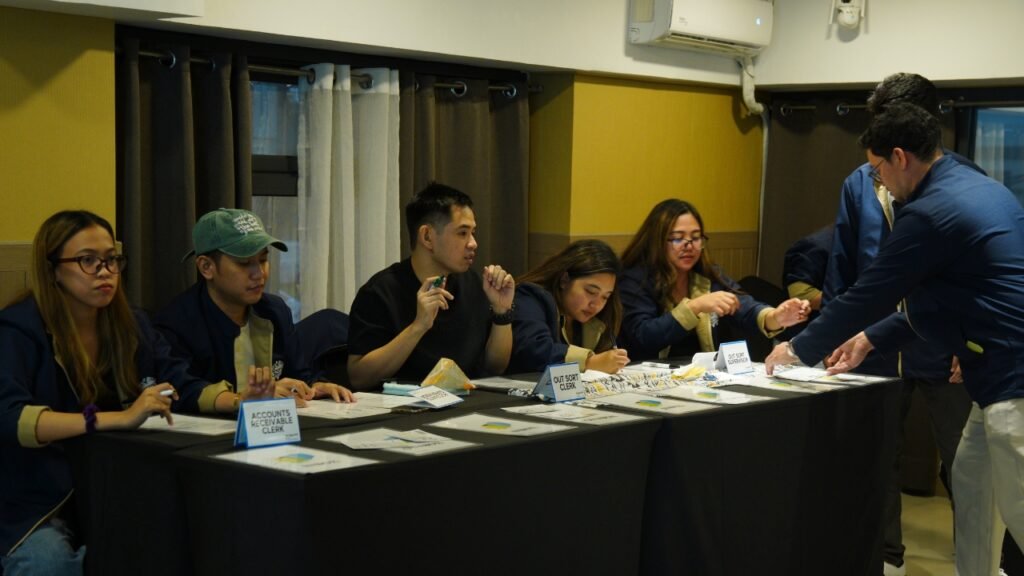
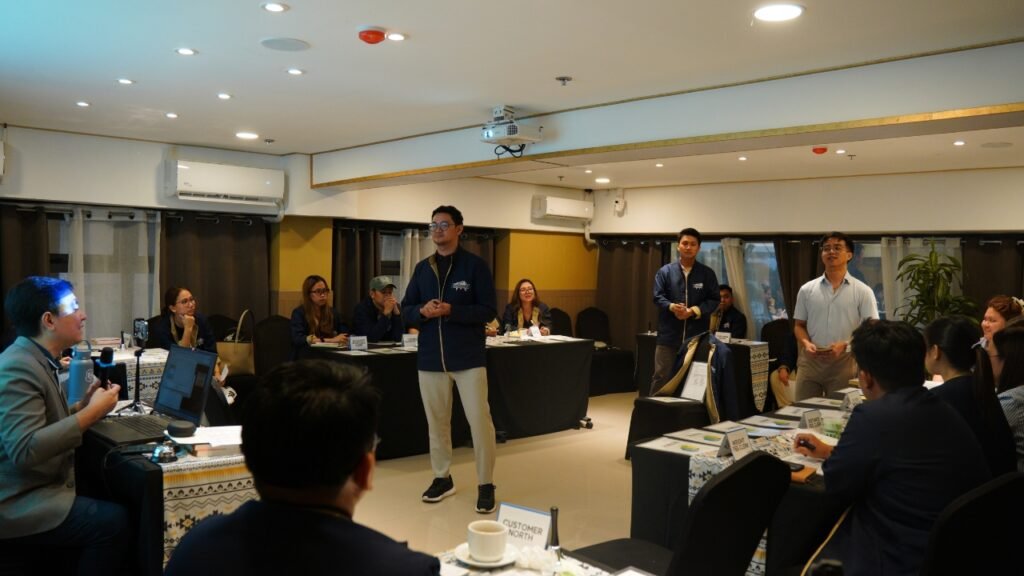
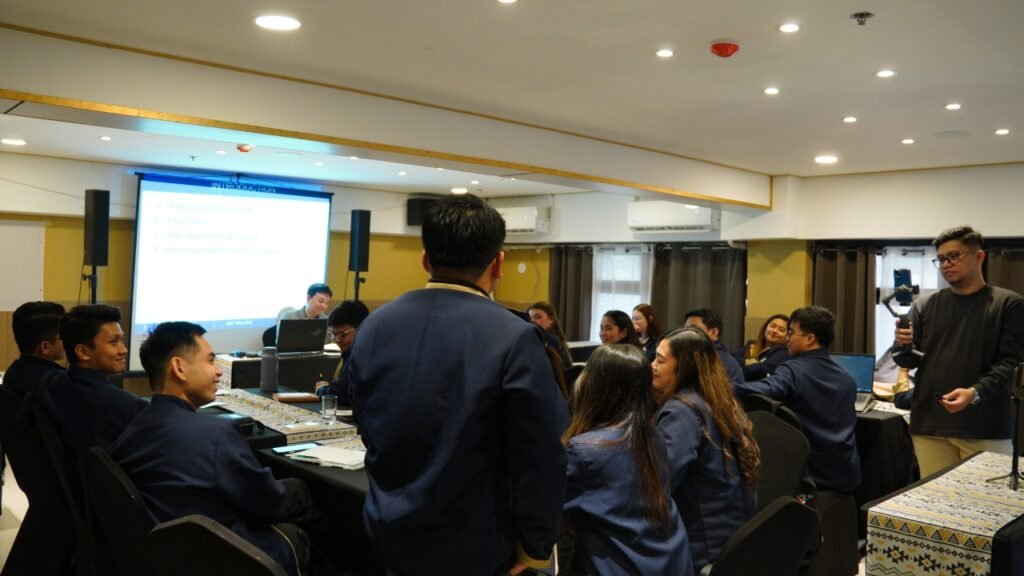
The training is only the starting point. The next step is translating what our managers learned into practical improvements that VAs can apply in their daily work.


Turning Lessons Into Clearer SOPs
One of the strongest takeaways from the training was that no process works in isolation.
A small gap in one department can affect several other teams before it eventually reaches the client. Because of this, our SOPs must do more than list individual tasks. They must clearly explain responsibilities, handoffs, expected outcomes, and escalation points.
Stronger SOPs can help virtual assistants understand:
- What needs to be completed
- Why the task matters
- Which information must be documented
- When another team or client contact should be involved
- How success should be measured
When the process is clearer, VAs can work with greater confidence and consistency.
Making Training More Relevant to Client Needs
Our Training and Development team identified an important opportunity: client concerns and performance escalations should help shape future training.
When the same issue appears repeatedly, the solution should not always be limited to coaching one person. It may also indicate that the training material, process explanation, role expectations, or practice scenarios need improvement.
By reviewing feedback from Client Relations and other departments, ABS can continue strengthening training based on the situations VAs actually encounter while supporting home care and home health agencies.
This helps make training more practical, current, and connected to customer value.
Strengthening Coaching and Performance Support
Lean Six Sigma reinforced the importance of understanding root causes before choosing a solution.
When a VA experiences a performance gap, effective coaching should look beyond the surface issue.
The team must determine whether the concern is connected to:
- A skill or readiness gap
- Unclear instructions
- An outdated SOP
- Missing system access
- Incomplete client information
- A communication breakdown
- A process that creates unnecessary confusion or rework
This approach allows ABS to provide more focused coaching and reduce the likelihood of the same problem happening again.
The goal is not simply to correct an error. It is to help the VA understand the process and improve future execution.
Using Better Data to Guide Improvement
Our SEPM and MIS teams emphasized the value of accurate data, standardized reporting, and measurable decision-making.
Reliable performance information can help ABS identify recurring concerns, monitor trends, prioritize the most significant problems, and determine whether an improvement is working.
This strengthens how we monitor virtual assistant performance and how leaders decide where additional training, coaching, or process improvement is needed.
For clients, better data creates clearer visibility and more informed conversations about performance and service quality.
Improving Collaboration Across Departments
Managers from Client Relations, Training and Development, Sales, Marketing, Human Resources, MIS, and General Management all recognized that stronger outcomes require better cross-departmental collaboration.
The client’s needs must remain clear as information moves from Marketing and Sales into recruitment, onboarding, training, and ongoing support.
When departments understand how their work connects, ABS can reduce missing information, repeated explanations, unclear ownership, and delayed action.
This creates a stronger support system around every VA.
The virtual assistant is not expected to work alone. They are supported by teams responsible for helping them understand expectations, improve performance, and remain aligned with the client.
What This Should Mean for Our Virtual Assistants
For our VAs, the value of Lean Six Sigma should become visible through practical improvements in their daily work.
They should receive:
- Clearer and more usable SOPs
- Training that reflects real client workflows
- Better-defined expectations
- More focused coaching
- Stronger communication between support teams
- Earlier assistance when performance gaps appear
- More consistent feedback and monitoring
These improvements help VAs understand not only what to do, but how their work contributes to the agency’s larger goals.
A scheduler can better understand how accurate updates affect caregivers and clients. A recruiter can see how timely follow-up affects staffing capacity. An intake coordinator can understand how complete information supports a smoother start of care.
That connection creates greater ownership and better execution.
What Home Care and Home Health Clients Should Experience
Ultimately, the success of this initiative must be visible to our clients.
As these improvements are implemented, home care and home health agencies should experience:
- Fewer avoidable errors
- Faster and more consistent task completion
- Clearer communication
- Better documentation
- Smoother handoffs
- Earlier identification of concerns
- Stronger accountability
- More dependable operational support
This is how leadership development becomes client value.
The goal is not to introduce more complexity. It is to build clearer systems that make it easier for VAs to perform well and easier for clients to rely on the support they receive.
Why the System Around a VA Matters
Hiring a capable virtual assistant is important, but capability alone is not enough.
Strong results also depend on the process surrounding that person.
The VA needs clear responsibilities, relevant training, accurate information, access to the right systems, measurable expectations, ongoing coaching, and a support team that can respond when challenges arise.
This is why ABS continues to invest in leadership development and process improvement.
We want our clients to receive more than a remote team member. We want them to receive a virtual assistant supported by a system committed to continuous improvement.
Better Systems Create Better Support
Lean Six Sigma gave our managers practical tools to examine how work moves across ABS, where gaps occur, and how those gaps can be addressed more effectively.
The next step is turning those lessons into action.
When leadership improves the system, our virtual assistants receive better support. When our VAs are better equipped, they can deliver greater value to the home care and home health agencies they serve.
That is the outcome that matters most.